
Title Page
Copyright
Dedication
Epigraph
WHEN AM I GOING TO USE THIS?
PART I
Linearity
One. LESS LIKE SWEDEN
Two. STRAIGHT LOCALLY, CURVED GLOBALLY
Three. EVERYONE IS OBESE
Four. HOW MUCH IS THAT IN DEAD AMERICANS?
Five. MORE PIE THAN PLATE
PART II
Inference
Six. THE BALTIMORE STOCKBROKER AND THE BIBLE CODE
Seven. DEAD FISH DON’T READ MINDS
Eight. REDUCTIO AD UNLIKELY
Nine. THE INTERNATIONAL JOURNAL OF HARUSPICY
Ten. ARE YOU THERE, GOD? IT’S ME, BAYESIAN INFERENCE
PART III
Expectation
Eleven. WHAT TO EXPECT WHEN YOU’RE EXPECTING TO WIN THE LOTTERY
Twelve. MISS MORE PLANES!
Thirteen. WHERE THE TRAIN TRACKS MEET
PART IV
Regression
Fourteen. THE TRIUMPH OF MEDIOCRITY
Fifteen. GALTON’S ELLIPSE
Sixteen. DOES LUNG CANCER MAKE YOU SMOKE CIGARETTES?
PART V
Existence
Seventeen. THERE IS NO SUCH THING AS PUBLIC OPINION
Eighteen. “OUT OF NOTHING I HAVE CREATED A STRANGE NEW UNIVERSE”
HOW TO BE RIGHT
Acknowledgments
Notes
Index
该内容有Taobao 乐读书屋提供 # http://l-books.taobao.com #
· · · · · · (收起)
具体描述
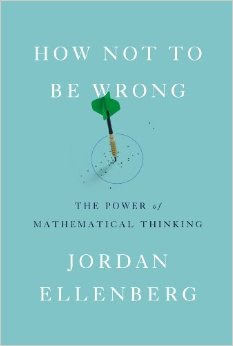
The Freakonomics of math—a math-world superstar unveils the hidden beauty and logic of the world and puts its power in our hands
The math we learn in school can seem like a dull set of rules, laid down by the ancients and not to be questioned. In How Not to Be Wrong, Jordan Ellenberg shows us how terribly limiting this view is: Math isn’t confined to abstract incidents that never occur in real life, but rather touches everything we do—the whole world is shot through with it.
Math allows us to see the hidden structures underneath the messy and chaotic surface of our world. It’s a science of not being wrong, hammered out by centuries of hard work and argument. Armed with the tools of mathematics, we can see through to the true meaning of information we take for granted: How early should you get to the airport? What does “public opinion” really represent? Why do tall parents have shorter children? Who really won Florida in 2000? And how likely are you, really, to develop cancer?
用户评价
##还算不错的数学小书,不过应该是我数学不好的缘故
评分##能把数学尤其是统计学讲得这么生动也是不易,这是一本可以当故事书看的数学书。
评分##“Maybe individual people seem irrational because they aren’t really individuals. Each one of us is a little nation-state, doing our best to settle disputes and broker compromises between the squabbling voices that drive us.”
评分##看看
评分##看看
评分##读了一半不想读了
评分##读了一半不想读了
评分##还算不错的数学小书,不过应该是我数学不好的缘故
评分##一本图书馆借的书,读完以后主动去买了自己收藏的统计学科普图书。