具体描述
【拍前必读】:
本店销售的书籍品相可能因为存放时间长短关系会有成色不等,请放心选购。
付款后,不缺货的情况下,48小时内发货,如有缺货的情况下,我们会及时在聊天窗口给您留言告知。
发货地北京,一般情况下发货后同城次日可以到达,省外具体以快递公司运输为准。
望每位读者在收货的时候要验货,有什么意外可以拒签,这是对您们权益的保护。
注意:节假日全体放假,请自助下单;如需帮助请及时与我们联系。祝您购物愉快!商家热线:010-57272736
基本信息
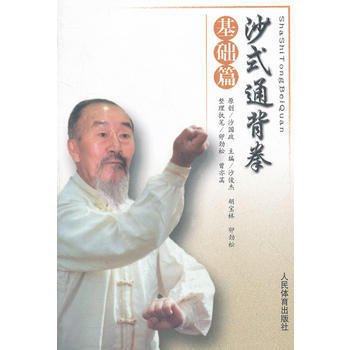
书名:沙式通背拳-基础篇
定价:18.00元
作者:沙俊杰
出版社:人民体育出版社
出版日期:2012-08-01
ISBN:9787500943099
字数:
页码:
版次:1
装帧:平装
开本:大32开
商品重量:0.222kg
编辑推荐
内容提要
《沙式通背拳(基础篇)》编著者沙国政。武术套路是以技击动作为基础,以攻守进退、动静疾缓、刚柔虚实等矛盾运动的变化规律组编的整套演练形式.又被称之为“套路运动”。它们是中华武术特有的一种运动形式,中国传统武术的各门各派中都保留着大量武术套路,在武术的发展与传承中发挥了巨大的作用。沙式通背拳分别将前、中、后二十四散手掌组合成相应的套路,则被分别称为前、中、后二十四连环掌。将七十二散手掌组合成相应的套路,则被称为“葡萄满架一院香一六路总手”。六路总手共六个套路,每路有六趟,本书介绍的是流传广、*代表性的第六路总手。将散手掌组合成套路,并非按顺序生硬地拼接,而是根据“攻防合理、连接巧妙、流畅劲顺、平衡协调、体现风格、赋予内涵”等原则进行精心编排、有机组合而成的。
目录
章 沙式通背拳综述节 传统通背拳简介第二节 沙式通背拳发展源流一、沙国政先生简介二、沙国政先生通背拳的师承关系三、沙式通背拳的由来及发展四、沙式通背拳的内容第二章 沙式通背拳的风格特点与锻炼价值节 传统通背拳的风格特点一、松肩探背,放长击远二、腰背发劲,发力通透三、冷弹脆快硬,缩小软绵巧四、抖弹发劲,两臂似鞭五、立抡成圆,蹭拍响亮六、势势相连,闪展灵活七、三折九扣,五护八断第二节 沙式通背拳的风格特点一、融人形意,相得益彰二、身法优美,手法细腻三、眼神犀利,睛光如电四、六合六到,内外兼修五、长短结合,远打近攻六、兼收并蓄,取长补短七、步法灵活,腿法丰富八、内容广博,自成体系九、连接巧妙,组合十、左右并重,平衡发展第三节 沙式通背拳的锻炼价值一、技击实用价值二、美学欣赏价值三、养生健身价值第四节 沙式通背拳适宜对象及学习步骤一、适宜对象二、学习步骤三、注意事项第三章 沙式通背拳的技术内涵节 沙式通背拳技术要求一、手法细腻,变化精巧二、心法慧敏,应变灵活三、步法灵便,虚实分明四、身法灵活,潇洒飘逸五、眼法敏锐,目光似电六、腿法凌厉,速踢疾收七、刚柔相济,内外相合八、快慢相间,节奏分明九、手脚相随,齐到为真十、呼吸配合,气沉丹田第二节 沙式通背拳动作要领一、头顶项领,精气神足二、含胸拔背,松肩顺臂三、出手有势,回带不空四、拳从口发,回归胁下五、提肛收臀,尾闾中正六、腰背发劲,力贯掌指七、抖弹伸缩,快速连击八、立抡成圆,击拍响亮九、高跳低仆,动作到位十、先发制人,后发先至第四章 沙式通背拳基本功与训练方法节 沙式通背拳基本技术一、基本手型二、基本手法三、基本步型四、基本步法五、基本腿法第二节 沙式通背拳基本桩法一、马步桩二、低半马步桩三、三体式桩(三七桩)四、海底桩五、开门式桩第三节 沙式通背拳掌前八式一、摇腕运指二、双捆掌四、六合六到,内外兼修五、长短结合,远打近攻六、兼收并蓄,取长补短七、步法灵活,腿法丰富八、内容广博,自成体系九、连接巧妙,组合十、左右并重,平衡发展第三节 沙式通背拳的锻炼价值一、技击实用价值二、美学欣赏价值三、养生健身价值第四节 沙式通背拳适宜对象及学习步骤一、适宜对象二、学习步骤三、注意事项第三章 沙式通背拳的技术内涵节 沙式通背拳技术要求一、手法细腻,变化精巧二、心法慧敏,应变灵活三、步法灵便,虚实分明四、身法灵活,潇洒飘逸五、眼法敏锐,目光似电六、腿法凌厉,速踢疾收七、刚柔相济,内外相合八、快慢相间,节奏分明九、手脚相随,齐到为真十、呼吸配合,气沉丹田三、单抡臂四、双抡臂五、撩阴掌六、引手掌七、双盖掌八、三才式第四节 沙式通背拳五行掌法一、五行连环二、五行相生三、五行相克第五节 沙式通背拳基本对练一、摔掌对练二、穿掌对练三、抡砸对练四、吊袋对练五、三合手对练六、五行生克对练第六节 沙式通背拳内功心法一、十三字真言二、静功——通背小周天功法三、动功——健身益气法
作者介绍
文摘
序言
martial arts of the northern Shaolin Temple: a practical guide to the authentic tradition (Part 1) Author: Sha Junjie ISBN: 9787500943099 This comprehensive guide, "Martial Arts of the Northern Shaolin Temple: A Practical Guide to the Authentic Tradition (Part 1)," by the esteemed martial arts master Sha Junjie, offers an in-depth exploration of the foundational principles and techniques of the Northern Shaolin Temple style, commonly known as Tongbei Quan. This foundational volume is meticulously crafted for practitioners seeking a genuine and thorough understanding of this rich martial heritage, delving into the core concepts that underpin its power, fluidity, and efficacy. Master Sha Junjie, drawing upon decades of dedicated practice, extensive research, and his lineage within the Shaolin tradition, presents this material with a clarity and precision that demystifies complex martial concepts. "Martial Arts of the Northern Shaolin Temple: A Practical Guide to the Authentic Tradition (Part 1)" is not merely a collection of movements; it is a philosophical and practical treatise designed to build a strong and resilient martial foundation. I. The Essence of Tongbei Quan: Rooted in Shaolin's Legacy The book begins by establishing the historical and philosophical context of Tongbei Quan, emphasizing its deep roots within the legendary Northern Shaolin Temple. It distinguishes this style from other martial arts, highlighting its unique characteristics and its profound connection to Buddhist principles of discipline, perseverance, and ethical conduct. Master Sha Junjie explains that true mastery of Tongbei Quan is not solely about physical prowess, but also about cultivating mental fortitude, emotional balance, and a profound understanding of one's own body and its potential. The initial chapters meticulously detail the foundational theories that govern Tongbei Quan. This includes an exploration of: Qi (Vital Energy): Understanding the flow and cultivation of Qi is paramount. The book elaborates on how to harmonize internal energy with external movement, leading to explosive power and effortless grace. Techniques for developing internal strength through breathing exercises (Qigong) and mindful movement are introduced, forming the bedrock of efficient power generation. Li (Strength): Differentiating between brute muscular force and the integrated, explosive power of Tongbei Quan is a key focus. Master Sha Junjie explains how to harness the body's natural structure and momentum to create formidable strength that is both sustainable and devastating. This involves understanding leverage, body mechanics, and the coordinated action of the entire physique. Jin (Skill/Technique): The intricate and sophisticated techniques of Tongbei Quan are broken down into their fundamental components. The book emphasizes the importance of precision, timing, and adaptability in the application of strikes, blocks, evasions, and footwork. Each technique is presented not in isolation, but as part of a dynamic and interconnected system. Shen (Spirit/Mind): The mental aspect of martial arts is given significant attention. The book discusses the importance of focus, intent, and the cultivation of a calm, yet alert, mental state. This "spirit" or "mind" guides the body's actions, allowing for rapid responses and strategic decision-making in combat. II. Fundamental Stances and Footwork: The Unseen Power The efficacy of any martial art is inextricably linked to its foundation – the stances and footwork. "Martial Arts of the Northern Shaolin Temple: A Practical Guide to the Authentic Tradition (Part 1)" dedicates substantial content to mastering these critical elements. Core Stances: The book systematically introduces and analyzes the primary stances of Tongbei Quan, such as the Horse Stance, Bow Stance, Empty Stance, and their variations. For each stance, Master Sha Junjie provides detailed instructions on proper posture, weight distribution, rooting, and the subtle internal alignments that generate power and stability. The importance of transitioning smoothly between stances is also highlighted, emphasizing fluidity and constant readiness. Dynamic Footwork: Beyond static postures, the book delves into the dynamic footwork that defines Tongbei Quan's agility and evasive capabilities. This includes step-by-step instructions for advancing, retreating, sidestepping, pivoting, and circular movements. The emphasis is on using the feet to control distance, create angles, and generate momentum for both offense and defense. The relationship between footwork and hand techniques is meticulously explained, illustrating how synchronized movement amplifies effectiveness. III. Essential Hand Techniques: Striking with Intent and Precision The hallmark of Tongbei Quan lies in its powerful and deceptive hand techniques. This section of the book offers a meticulous breakdown of these vital skills. Basic Strikes: Master Sha Junjie introduces a range of fundamental striking methods, including various forms of punches, palm strikes, elbow strikes, and finger strikes. Each strike is presented with an explanation of its intended application, the specific body mechanics required for optimal power generation, and the critical points of impact. The concept of "whole body power" is repeatedly stressed, demonstrating how the entire structure of the body contributes to the force of each strike. Defensive Maneuvers: Alongside offensive techniques, the book provides comprehensive instruction on the foundational defensive movements of Tongbei Quan. This includes various forms of parries, blocks, deflections, and evasive maneuvers. The emphasis is on redirecting an opponent's force rather than meeting it head-on, thereby conserving energy and creating openings for counter-attacks. The integration of defensive and offensive actions into seamless sequences is a key theme. The Art of Linking: A distinctive feature of Tongbei Quan, and a significant focus of this book, is the art of linking techniques. Master Sha Junjie illustrates how individual strikes and blocks can be seamlessly connected into fluid and continuous chains of movement. This not only enhances offensive pressure but also provides continuous defensive coverage. The principles of timing, rhythm, and intention in executing these links are thoroughly explored. IV. Developing Internal Power and Coordination: The Inner Workings "Martial Arts of the Northern Shaolin Temple: A Practical Guide to the Authentic Tradition (Part 1)" goes beyond superficial movements to explore the deeper principles of internal power development and whole-body coordination. Breathing and Energy Cultivation: The book dedicates a significant portion to the practice of breathing exercises (Qigong) integral to Tongbei Quan. These exercises are designed to strengthen the respiratory system, enhance the flow of Qi, and cultivate internal power. Master Sha Junjie provides clear instructions on various breathing techniques, emphasizing their role in preparing the body for intense physical exertion and in promoting recovery. Sensory Awareness and Body Control: Developing heightened sensory awareness is crucial for effective martial arts. The book guides practitioners in understanding the subtle sensations within their own bodies, improving proprioception, and achieving finer control over their movements. This involves exercises that enhance balance, flexibility, and the ability to feel and respond to an opponent's energy. Integrated Body Mechanics: A central tenet of Tongbei Quan is the concept of unified body action. Master Sha Junjie meticulously explains how different parts of the body must work in concert to generate maximum power and efficiency. This involves understanding the role of the waist, hips, legs, and arms in driving techniques, and how to coordinate their movements for optimal effect. V. Training Methodologies and Progression: A Path to Mastery Master Sha Junjie understands that learning a martial art is a journey. This volume provides a structured approach to training and progression. Systematic Practice: The book outlines a systematic approach to practicing the foundational techniques. This includes advice on repetition, focus, and the importance of self-correction. The emphasis is on quality over quantity, ensuring that each movement is performed correctly and with the proper intent. Developing Sensitivity: Training exercises designed to develop sensitivity to an opponent's movements and intentions are introduced. These drills help practitioners learn to anticipate, react, and adapt to various situations, fostering a deeper understanding of combat dynamics. Building Resilience and Stamina: The book acknowledges the physical demands of martial arts training and offers guidance on building the necessary stamina and resilience. This includes advice on warm-up routines, cool-down practices, and gradual progression to avoid injury. "Martial Arts of the Northern Shaolin Temple: A Practical Guide to the Authentic Tradition (Part 1)" is an indispensable resource for anyone serious about learning authentic Northern Shaolin Tongbei Quan. Master Sha Junjie's insightful explanations, combined with detailed instructions and a focus on core principles, provide a solid foundation for practitioners to build upon. This foundational volume is the crucial first step in a lifelong journey of martial arts exploration and self-improvement.