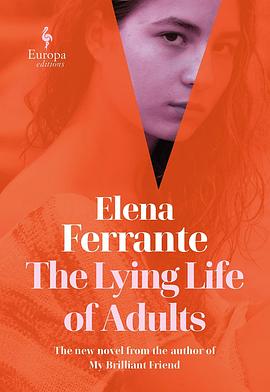

具体描述
Giovanna's pretty face has changed: it's turning into the face of an ugly, spiteful adolescent. But is she seeing things as they really are? Into which mirror must she look to find herself and save herself?
She is searching for a new face in two kindred cities that fear and detest one another: the Naples of the heights, which assumes a mask of refinement, and the Naples of the depths, which professes to be a place of excess and vulgarity. She moves between these two cities, disoriented by the fact that, whether high or low, the city seems to offer no answer and no escape.
用户评价
##那不勒斯的另一个故事,比四部曲更坦诚更赤裸。前2/5转折和衔接不够流畅,有一种我能理解主人公为什么这样做但somehow就是缺少动机的感觉。从第三部分开始精彩起来,主人公把自己和家庭和外表剥离,剥到血肉模糊,触目惊心。giovanna好勇敢,勇敢到最后可以果决地和解,生活如此,let’s fuck it
评分##乔凡娜为什么拒绝被她奉为男神的Roberto的冷淡求欢,而委身于傲慢猥琐的Rosario?大概就在于这是她自己的选择,她享受选择带来的快乐,或者痛苦,而不是在“没得选”的优越环境里接受命运的安排。 故事的结尾虽然令人咋舌,却完全体现了整本书的内在逻辑——不满足于自己“应该有”的形象,勇敢地穿梭在美丽与丑陋、高雅与低俗、富裕与贫穷、真诚与伪善之间,打破界限,寻找真正的自我。
评分##女孩成长的经历,还蛮喜欢的。虽然主线有点散,没有punch line。
评分##感觉像是coming of age类型的书
评分##Something must not be right about me - said every teenage girl ever.
评分##女孩成长的经历,还蛮喜欢的。虽然主线有点散,没有punch line。
评分##很精彩!不逊于“那不勒斯四部曲”。同样是发生在那不勒斯的故事,同样的风格。每次看Elena Ferrante的故事,总会很奇妙地找到自己原生家庭的影子。或许是意大利和中国从某种角度有点像,都很重视家庭;六七十年代家里成员较多;经济条件不好等等,形成了一种不同文化背景下的情感共鸣。
评分1.5倍速听的。又回到了熟悉的费兰特的那不勒斯,这次是个更个人的中产少女对熟悉的世界祛魅和远离,又自我和解而获得个人成长和解放的故事。费兰特真是又擅长描写微妙的女性心理又总能赋予女主角足够的勇气和力量。男性形象倒是更接近四部曲里的各位。13到16岁的"those ugly years"让Giovanna“以暴制暴”地以更多lies and ugliness摧毁了各种幻想,逐渐做好了成人的准备。
评分##Something about the way Ferrante portrays a girl is irresistible.